
Cancer in railroad machinists and shop crafts
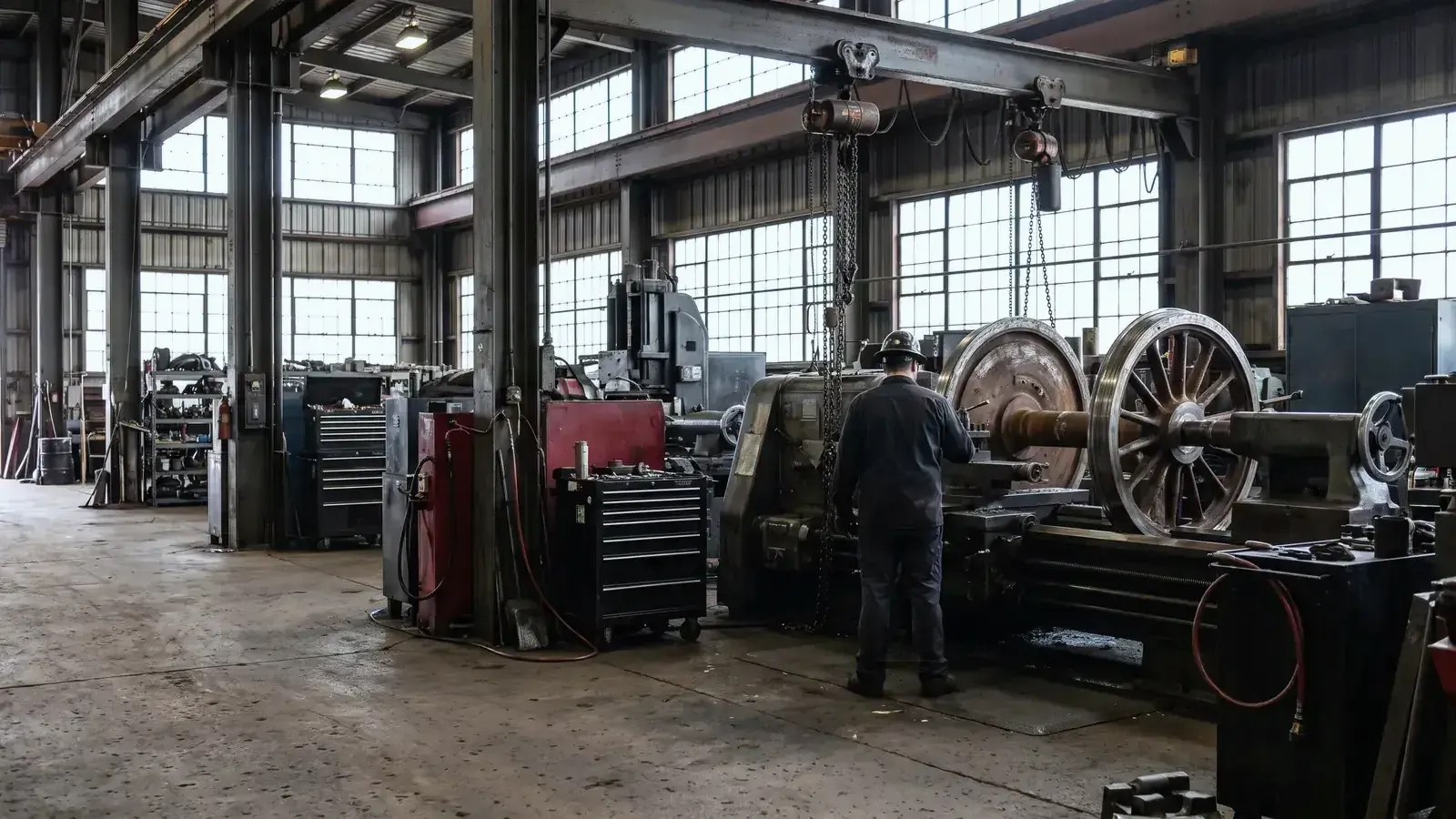
Studies of railroad machinists and maintenance shop workers have linked asbestos exposure at work to cancer. A 1983 study concluded that machinists had long faced a high risk of work-related cancer from asbestos exposure. If the railroad's carelessness played even a small role in your cancer, a federal law for railroad workers lets you bring a claim.
Call +1 (888) 716-2611 Free FELA claim review for your craft
These jobs in the FRA's employee reports
| On-duty injury and illness reports, 2021 to 2025 | 862 |
|---|---|
| Occupational illness reports | 101 |
| Hearing loss from noise | 91 |
| Job titles with the most reports | Machinists; Sheet Metal Workers; Gang Foremen, Maintenance of Equipment |
Official source: FRA injury and illness reports (Form 55a). Counted across the 17 railroads on this site from the FRA's on-duty employee reports, refreshed quarterly. Railroad injury statistics for all 17 railroads
What researchers learned from the shops
Mesothelioma is a cancer tied to asbestos, and machinists turned up again and again in the early research. In a 1983 paper, researchers looked at deaths among members of the machinists' union and then tracked 197 machinists one railroad had hired before 1935. Cancer killed 29 of those men, and nine of those deaths were mesothelioma; altogether the team counted 42 mesotheliomas among men who had worked as railroad machinists.
A bigger study kept track of 3,297 railroad maintenance shop employees from 1951 to 1980 and learned the outcome for 99.6 percent of them. The more asbestos a man was exposed to, the more lung cancer deaths appeared, and those who had spent over three decades in the steam engine repair shops were dying of lung cancer at nearly double the rate expected.
Why the steam engine shops stood out
In that shop study, one workplace stood out on its own: steam engine repair. Workers repairing steam engines were also exposed to a different type of asbestos, called amphibole asbestos. The extra lung cancer appeared in the men who had spent over 30 years working in those shops.
The researchers estimated each man's exposure from detailed records of his work tasks and the shop divisions he worked in. Since hardly anyone measured dust in the early years, the researchers estimated fiber levels from the amount and kind of asbestos used.
Do federal reports show cancer?
Hardly ever, and timing explains it. Cancer tends to surface many years after the exposure, frequently once the worker is no longer with the railroad, so it almost never gets recorded as an illness suffered on duty. Most work-related cancers never show up in those FRA injury reports, so a missing report does not mean there is no claim.
Those same files do show how often shop workers were hurt or fell ill on duty from 2021 through 2025. Of the 862 reports, more than half, 480, came from machinists.
| Craft as listed in federal records | Injury and illness reports, 2021–2025 |
|---|---|
| Machinists | 480 |
| Sheet Metal Workers | 126 |
| Maintenance-of-equipment gang foremen | 95 |
| Shop, engine house, and power plant laborers | 87 |
| Skilled trades helpers in maintenance equipment and stores | 71 |
| Electrical Workers | 3 |
Within those 862 reports, 101 counted as occupational illnesses, and 91 of them were cases of hearing loss caused by noise.
The solvent used to clean metal parts
The shop floor held dangers beyond asbestos. Machinists set up and run the equipment used for welding, cutting, brazing, heat-treating, and other metalwork, and they also keep machines and moving parts working, repaired, and tested. One chemical used on metal equipment deserves a closer look.
Trichloroethylene, often called TCE, is a man-made liquid used mainly to make refrigerants and remove grease from metal equipment. Anyone using it can take it in through the lungs or the skin, and it also shows up in tool cleaners and paint removers. The sources here do not show whether a particular railroad shop used it.
Is it too late for a shop worker to file a claim?
The law that lets a railroad employee hold the railroad responsible for an injury or illness caused even in part by the railroad's negligence is the Federal Employers' Liability Act, known as FELA. It stands in for state workers' compensation, which railroad workers cannot use. Back in 1949 the Supreme Court ruled that it reaches slow-building occupational diseases, not just sudden accidents.
You have three years to file. With an illness like cancer, that clock begins when the effects of the exposure become apparent, not at the time of the exposure itself. In a New Jersey case decided in January 2026, a car inspector learned in May of 2014 that his bladder cancer traced back to his work, filed suit in April 2019, and the claim on that cancer was barred as too late. If you remember when a doctor first said your cancer might be linked to work, noting that date may help the attorney reviewing your claim check the filing deadline.
Even a worker who shares some of the blame can recover, though the award is reduced by the worker's share of fault. When the worker has passed away, the personal representative brings the claim for the worker's husband or wife and the children.
Questions people often ask
Which shop jobs carried the greatest cancer risk?
The studies covered here did not rank the crafts against one another. What stands out most is how long and where a person worked: more than three decades in the steam engine repair shops, where workers were also exposed to amphibole asbestos. Men with shorter careers and moderate exposure, mostly to chrysotile, showed no clear rise in lung cancer.
Are railroad welders at greater risk of cancer?
The studies here didn't look at welders as a separate group, so they can't say much about welders' risk. Machinists often weld and cut as part of the job, though, so if you did that work, mention it when the free review, handled by a law firm that takes FELA claims for railroad workers, asks about your job titles and the shops you worked in.
What does a railroad cancer lawsuit cover?
FELA lets a worker recover medical bills, wages already lost and wages yet to be lost, and pain and suffering. The justices have gone further, permitting a worker with asbestosis from the job to recover for a real and serious fear of getting cancer. The railroad's negligence needs only to have played some small part for the case to go before a jury.
Call +1 (888) 716-2611 Questions about your own case? Ask in a free FELA claim review by phone, or send the short form