
Cancer in railroad signalmen
If you worked as a railroad signalman and have cancer, you may wonder whether your work played a part. Long-term exposure to creosote has been linked to cancer. An older study also found more tumor deaths than expected among railroad workers exposed to certain weed killers. Neither source establishes the cancer risk for signalmen specifically or shows what caused an individual person's cancer. Railroad workers aren't covered by ordinary workers' comp. Instead, a federal law called FELA lets them seek compensation from the railroad when its negligence played any part in their illness, and that can include cancer.
Call +1 (888) 716-2611 Free FELA claim review for your craft
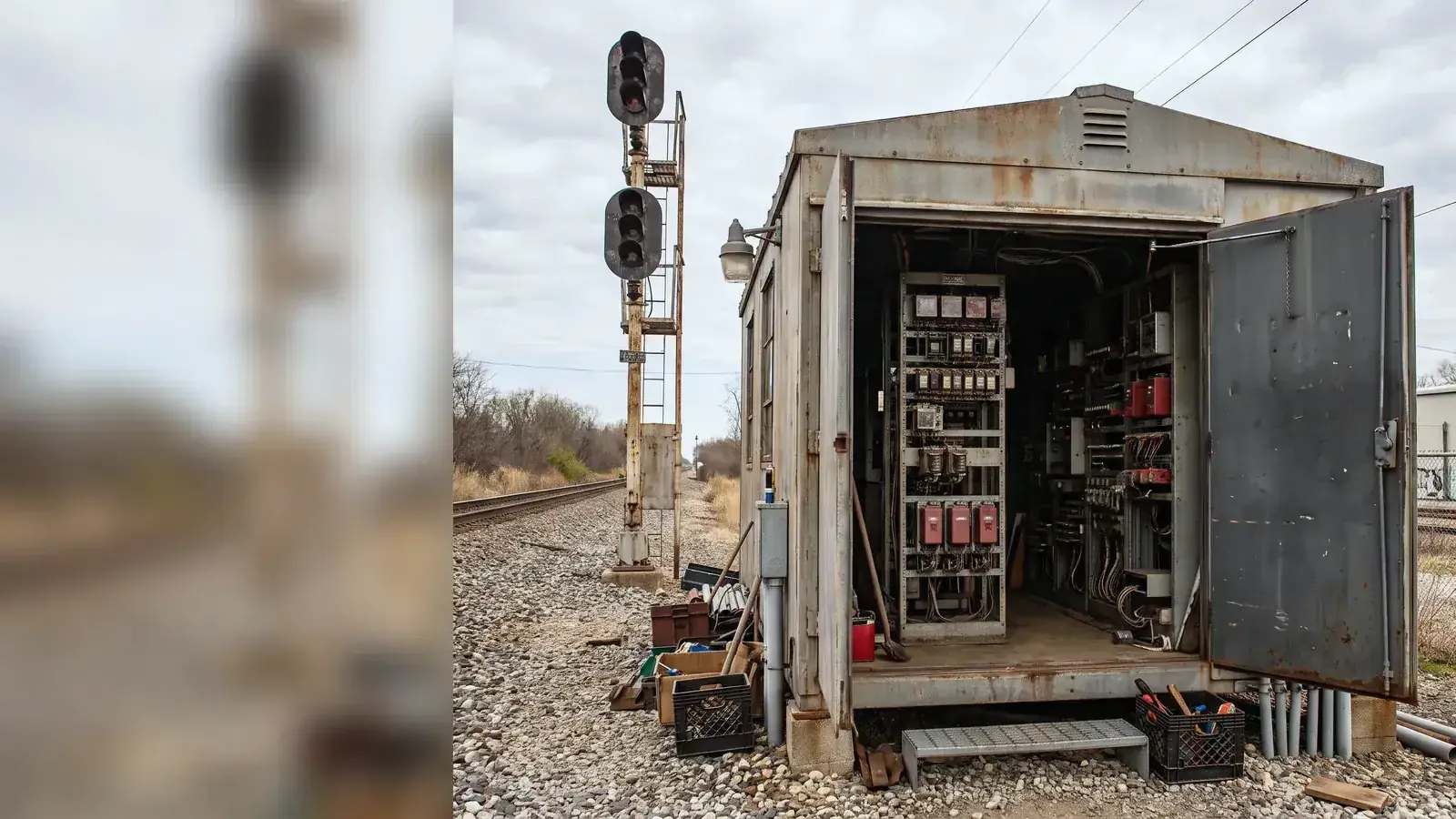
These jobs in the FRA's employee reports
| On-duty injury and illness reports, 2021 to 2025 | 650 |
|---|---|
| Occupational illness reports | 60 |
| Hearing loss from noise | 51 |
| Job titles with the most reports | Signalmen & Signal Maintainers; Gang Foreman, Communications; Signal Helpers and Signal Maintainer Helpers |
Official source: FRA injury and illness reports (Form 55a). Counted across the 17 railroads on this site from the FRA's on-duty employee reports, refreshed quarterly. Railroad injury statistics for all 17 railroads
The work signal crews do
Signal crews inspect and test crossing gates, signals, and other signal equipment, according to O\*NET. They install, maintain, and repair signal systems, both out on the line and back in the shop. They also record the mileage or track inspected, repairs completed, and equipment needing replacement.
Day to day, the work involves electrical and electronic gear, mechanical components, and vehicles. When O\*NET surveyed these workers, 73% said they spend every day inside an enclosed vehicle or running enclosed equipment. Another 68% said they carry very high responsibility for other workers' safety.
Creosote on railroad ties and cancer
Creosote covers several tar-like products made from wood and coal, and each one blends many chemicals together. Coal tar creosote is the most widely used wood preservative in the United States. The CDC lists the building of railroad tracks with treated wood among the ways people come into contact with it.
Years of on-the-job exposure have been shown to raise cancer rates in several organs. Among the cancers the CDC ties to on-the-job exposure are:
- the lungs and respiratory tract
- the skin
- the pancreas
- the kidneys
- the bladder
- the prostate
- the rectum
- the scrotum
- the central nervous system
Federal health officials classify coal tars and coal tar pitches as known to cause cancer in people.
Silica dust from track work
Back in 1996, attorneys for railroad employees contacted OSHA about the dust those workers breathed while doing track work. OSHA's reply noted that many of those workers had come down with silicosis or mixed dust lung disease after long-term exposure to railroad dust.
OSHA explained that its silica program reaches every industry, including railroads. It also pointed out that track repair and maintenance work at railroads like Norfolk Southern and CSX poses a high silica risk. Any worker who believes exposure is too high can file a complaint with the nearest OSHA office.
Do weed killers sprayed by the tracks raise cancer risk?
Researchers followed 348 Swedish railroad workers through October 1978 and found more tumor deaths than expected. That excess ran highest among those exposed to amitrol and phenoxy acid herbicides together. No single cancer type dominated, although three stomach and three lung cancers appeared in the study.
Signal workers in FRA injury reports
Between 2021 and 2025, railroads submitted 650 on-duty injury and illness reports to the Federal Railroad Administration under signal job titles, covering the 17 railroads this site tracks. Of those, 60 were occupational illnesses and 51 involved hearing loss from noise. The table sorts the reports by craft, from FRA data.
| FRA job title | Reports filed, 2021–2025 |
|---|---|
| Signalmen and Signal Maintainers | 485 |
| Signal Helpers and Signal Maintainer Helpers | 64 |
| Gang Foreman, Communications | 78 |
| Assistant Signalmen and Assistant Signal Maintainers | 23 |
Cancer almost never shows up in these reports. It tends to surface years after the exposure, frequently once a worker has already left the railroad. Most work-related cancers never show up in those reports, so a missing report does not mean there is no claim.
Is cancer covered by FELA?
State workers' compensation covers most American workers, but not railroad workers. Instead, they recover their losses from the railroad through FELA, the GAO explains. The Supreme Court ruled in Urie v. Thompson that FELA reaches work-related diseases like silicosis, not just accidents.
Under the law, a railroad is liable whenever negligence on the part of its officers, agents, or employees plays any role in an injury or death. The Court said in CSX v. McBride that the negligence only has to play a part, however small. Damages may cover medical bills, wages lost in the past and future, and the pain the worker has endured.
The three-year filing deadline
A FELA lawsuit must be brought within three years, in either federal or state court. When a disease takes years to develop, the clock starts once its effects become apparent rather than on the day of exposure.
Waiting can cost you the claim. In January 2026, New Jersey appellate judges left in place the dismissal of a car inspector's bladder cancer case because he filed more than three years after his doctor linked the cancer to his work. His doctor had told him back in May 2014 that the cancer was connected to what he had breathed at work, and he did not file until April 2019. So claims tied to the cancer as it stood in 2014 were barred. If you're not sure where your deadline stands, you can request a free claim review. The phone number and short form connect you with a law firm that handles FELA claims and advertises on Railroad Cancer. The reviewer will ask which railroads you worked for and when, your job titles, the yards, shops or lines you worked, your diagnosis, and when a doctor first said it could be tied to your work. The call may be recorded so the attorney's office has an accurate record of your work history.
Common Questions
If the worker has died, can the family bring a claim?
Yes. The personal representative of the worker's estate holds the claim, and it benefits the surviving spouse and children.
What if the worker shared some of the fault?
A worker who was partly to blame can still win damages. 45 U.S.C. § 53 tells the jury to reduce those damages by the worker's share of the blame. The law also makes clear that when the railroad's negligence played a part, the worker cannot be said to accept the risks of the job.
Can a worker who does not have cancer recover for the fear of getting it?
Possibly, if you already have a work-related illness. In Norfolk & Western v. Ayers, the Supreme Court said workers with job-related asbestosis could recover for a real and serious fear of developing cancer.
Can the railroad bar coworkers from discussing an illness?
No. Federal law voids any railroad rule or contract designed to keep employees from voluntarily sharing information about a coworker's injury or death.
Call +1 (888) 716-2611 Questions about your own case? Ask in a free FELA claim review by phone, or send the short form